
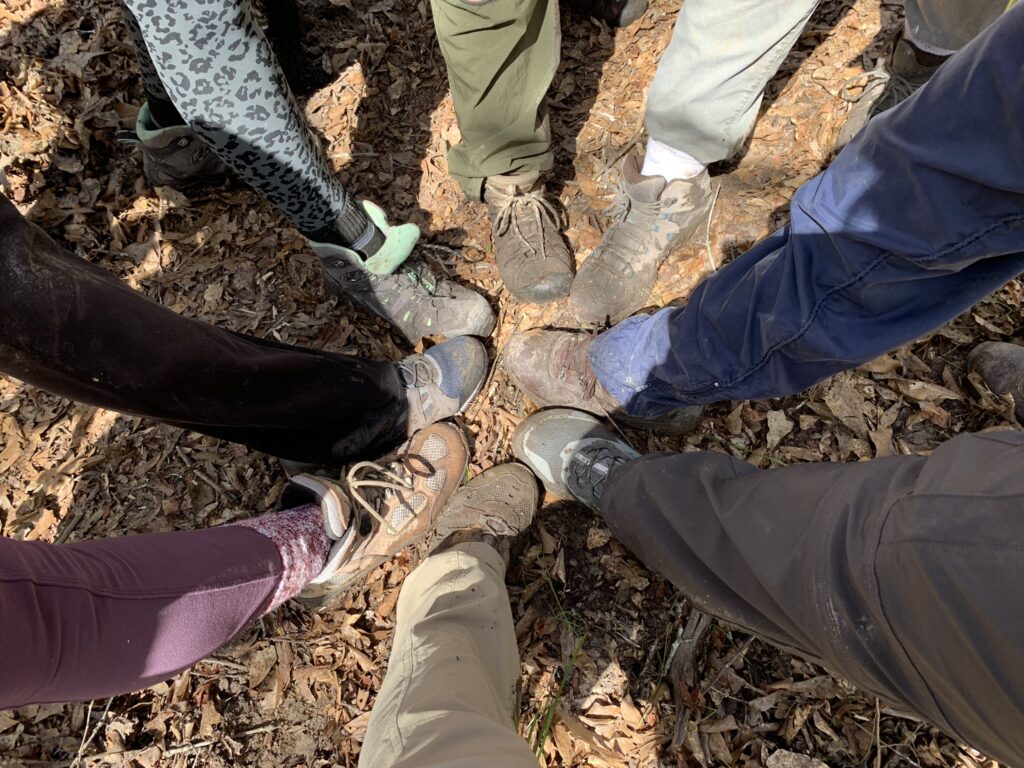
How to Choose the Perfect Hiking Boot for Long-Distance and Short Training Hikes
Whether you’re training for a long-distance hike or heading out for a quick trail workout, the right footwear can make or break your experience. For women who hike, choosing between hiking boots and hiking shoes can be a bit confusing, especially with so many options on the market. Knowing the key differences between these two types of footwear and how to select the best pair for your needs will keep your feet comfortable and your hikes enjoyable.
In this post, we’ll explore the main differences between hiking boots and hiking shoes, how to choose the right pair based on your hiking goals, and what features to look for in long-distance and shorter training hikes.
Hiking Shoes vs. Hiking Boots: What’s the Difference?
Before diving into how to choose the right pair, let’s break down the key differences between hiking shoes and hiking boots.
Hiking Shoes:
Hiking shoes are a low-cut option that resembles a sturdy trail runner or sneaker. They are lighter and more flexible than traditional hiking boots, which makes them ideal for shorter hikes, casual treks, or when you need agility on the trail.
- Pros:
- Lightweight and comfortable right out of the box
- Easier to break in compared to boots
- Great for shorter hikes, fast-paced hikes, and lighter loads
- Offers more breathability, making them ideal for warm weather hikes
- Cons:
- Less ankle support compared to boots
- Not as durable for extremely rugged or uneven terrain
- Less protection from water, mud, and debris
Hiking Boots:
Hiking boots are typically higher cut, providing ankle support and protection. They are designed for more rugged terrain and long-distance hiking where you’ll carry a heavier pack. They come in different weights, with some more flexible than others depending on the intended use.
- Pros:
- Superior ankle support, which is especially important when carrying a heavy pack
- More durable and protective against sharp rocks, rough terrain, and weather
- Better for long-distance hikes or multi-day trips with challenging conditions
- Provides better water resistance, especially if waterproofed
- Cons:
- Heavier than hiking shoes, which can lead to quicker fatigue
- Takes longer to break in
- Less breathable, especially in hot weather
Choosing the Right Hiking Footwear for Your Needs
Whether you’re prepping for a long-distance hike or focusing on shorter, training hikes, your footwear needs to match your terrain, load, and hiking style. Let’s look at how to choose between hiking boots and hiking shoes based on your specific goals.
For Long-Distance Hikes:
Long-distance hikes, especially multi-day trips or thru-hikes, require footwear that offers durability, support, and protection.
- Choose Hiking Boots for Long-Distance Hiking if:
- You’ll be hiking over rough terrain or carrying a heavier backpack. The added ankle support and protection from rocks, roots, and weather make boots ideal for this type of hike.
- You need waterproof protection. If your long hike involves wet conditions, hiking boots with a waterproof membrane will keep your feet dry.
- You want extra durability. Hiking boots are designed to handle wear and tear over long miles, offering more longevity than hiking shoes.
What to Look For in Long-Distance Hiking Boots:
- Ankle Support: Look for mid- to high-cut boots that offer full ankle protection to help prevent rolling or twisting on uneven terrain.
- Waterproofing: Boots with waterproof membranes (like GORE-TEX) are great for keeping water out while still offering some breathability. Just note that waterproof boots can feel hotter in warm conditions.
- Durability: For long-distance hikes, you want tough materials like leather or thick synthetic fabrics that can withstand abrasion.
- Cushioning and Comfort: A cushioned midsole will help absorb the impact of long days on your feet. Make sure to get the right fit, with enough room for your toes to splay comfortably while walking downhill.
For Shorter Training Hikes:
If you’re doing short training hikes to build up endurance or strength, hiking shoes might be a better option. You want footwear that’s lightweight, flexible, and allows you to move quickly over varied terrain.
- Choose Hiking Shoes for Shorter Hikes if:
- You want something more lightweight and nimble. Hiking shoes provide a more natural feel and won’t weigh you down during shorter hikes.
- You prioritize comfort and flexibility over rugged durability. For short trips on well-maintained trails, hiking shoes offer all the protection you need without the stiffness of a boot.
- You’re hiking in warmer weather. Hiking shoes are more breathable, which helps keep your feet cool.
What to Look For in Hiking Shoes for Training:
- Weight: The lighter, the better for shorter hikes. Opt for lightweight materials that won’t slow you down.
- Breathability: Look for shoes with mesh panels or breathable synthetic fabrics to allow airflow and keep your feet cool and dry.
- Grip: Even on shorter hikes, you’ll want shoes with a grippy, aggressive outsole. Look for hiking shoes with deep lugs that provide traction on rocky or uneven terrain.
- Fit: Comfort is key. Make sure your hiking shoes fit snugly but leave enough room in the toe box to avoid blisters on downhill sections.
Other Factors to Consider When Choosing Hiking Footwear
When selecting hiking boots or shoes, there are a few additional factors to keep in mind to ensure you get the best fit and performance for your needs:
1. Weight of Your Pack
- Lighter Packs: If you’re carrying a daypack or a lightweight load, hiking shoes are often sufficient. They give you flexibility and comfort while staying nimble on the trail.
- Heavier Packs: For overnight trips or long-distance treks with heavier loads, hiking boots are generally the better option because of the extra support and stability.
2. Terrain
- Well-Groomed Trails: If you’re sticking to easy, well-groomed trails for your training hikes, hiking shoes will be more than enough.
- Rugged or Rocky Terrain: For uneven ground, rocky outcroppings, or muddy paths, the added protection and support of hiking boots will make a big difference in comfort and safety.
3. Climate and Conditions
- Wet or Cold Conditions: If you’re hiking in wet conditions or cold weather, waterproof hiking boots provide the insulation and protection your feet need to stay warm and dry.
- Hot Weather: In warm climates or during the summer, the breathability of hiking shoes is a big advantage, as your feet will stay cooler.
4. Fit
Always prioritize fit when choosing hiking footwear. Make sure to try on your hiking shoes or boots with the socks you plan to wear on your hikes. Your feet tend to swell during long hikes, so there should be enough room in the toe box to prevent blisters and discomfort.
Conclusion: Choosing the Best Footwear for Your Adventure
For long-distance hikes, especially on rough terrain, hiking boots offer the ankle support, protection, and durability you’ll need to stay safe and comfortable. For shorter, quicker training hikes, a pair of lightweight hiking shoes will keep you agile and give you the breathability you need for faster-paced treks.
Ultimately, the right hiking footwear comes down to your personal needs, the terrain you’ll be covering, and how much load you’ll be carrying. Consider the length of your hikes, the type of terrain, and the weather conditions before making your choice, and always test your boots or shoes before heading out on a long trek.
Need more tips for gearing up for your next hike? Sign up for the Just Hyke newsletter for expert advice, trail tips, and special discounts on gear!